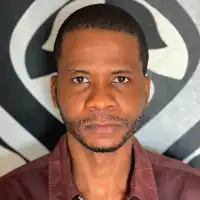
Peter Obi Benue Blockade: Analyst Lists 4 Key Political Concerns
- Public affairs analyst Donald Okwuosa warned the blockade of Peter Obi's condolence visit to Benue could become a major flashpoint ahead of the 2027 elections
- Obi's decision to ride in former Benue Governor Samuel Ortom's vehicle drew attention as a signal of opposition coordination between the NDC and PDP
- The analyst said 46 arrests were made during the incident, with police claiming neutrality, but their conduct is set to be closely watched
PAY ATTENTION: Find it fast with our new search feature at Legit.ng!
Legit.ng journalist Adekunle Dada has over 8 years of experience covering metro, government policy, and international issues
Benue State - Peter Obi's blocked condolence visit to Benue State has drawn sharp political analysis, with public affairs analyst Donald Okwuosa warning that the incident could define early narratives around the 2027 general elections.
Okwuosa identified four key concerns arising from the blockade of Obi's convoy in Benue state.
He disclosed this during an exclusive chat with Legit.ng over the weekend.

First, he questioned whether opposition figures can move and campaign freely in states controlled by the All Progressives Congress (APC).
Second, he said the episode feeds into longstanding worries about violence in Nigerian elections, noting that politicians have historically recruited thugs to intimidate opponents.
Third, he pointed out that Obi framed the trip as a humanitarian visit to mourn victims of killings in Benue, making the blockade look especially damaging for the government.
Fourth, he said the credibility of the police hinges on how the 46 arrests from the incident are handled, noting the force has claimed to be neutral and has opened an investigation.
What Obi riding with Ortom signals
Okwuosa also drew attention to a detail many observers noticed: Obi travelled in a vehicle belonging to former Benue Governor Samuel Ortom. He said the choice carried a clear political message without a word being spoken.
Ortom is a PDP figure and a prominent voice in the Middle Belt on the herder-farmer crisis.

Obi, who was ratified as the NDC presidential candidate on May 29, 2026, riding in Ortom's vehicle, suggests the two opposition camps are coordinating ahead of 2027, according to the analyst.
Okwuosa said the move also helped Obi borrow Ortom's grassroots credibility in Benue and reinforced his claim of standing with local communities on the security crisis. Using a local leader's vehicle rather than a large convoy from Abuja fitted the message of solidarity Obi was projecting.
"In Nigerian politics, who you ride with sends a message as loud as what you say," Okwuosa said. "Obi chose to ride with Ortom. That message was simple: we stand together on Benue, and we stand together for 2027."
Condolence trip that became campaign flashpoint
Okwuosa concluded that the blockade handed opposition parties an early argument that the APC is desperate and willing to use intimidation.
It also opened constitutional questions about freedom of movement and raised early alarms about political violence ahead of January 2027.
He added that blocking a leader attempting to pay condolences to families of attack victims rarely attracts positive public opinion, and the incident likely increased national sympathy for Obi.

Keyamo calls out double standards
Meanwhile, Legit.ng also reported that Aviation Minister Festus Keyamo condemned the blocking of NDC presidential candidate Peter Obi by protesters in Benue State.
Keyamo accused sections of the media of applying double standards when reporting crowd confrontations involving APC and opposition candidates.
The minister called on Nigerians to channel political grievances through the ballot box rather than violence during campaigns.
Source: Legit.ng