


2027 Elections: Is INEC About to Recheck Every Voter in Nigeria? What Citizens Need to Know
- INEC has announced a nationwide voter revalidation to ensure the accuracy and reliability of the voter register
- The exercise has been framed as an administrative check addressing duplicate, transferred, or deceased voter entries
- The electoral body, which clarified it is not a political move, noted that digital options will be provided for all registered voters
CHECK OUT: How to Start Earning with Copywriting in Just 7 Days – Even if You’re a Complete Beginner
The Independent National Electoral Commission (INEC) has explained that its upcoming nationwide voter revalidation is a routine administrative exercise designed to keep Nigeria’s voter list accurate and trustworthy.

Source: Twitter
Spokesperson Adedayo Oketola, speaking for INEC Chairman Joash Ojo Amupitan, said on Thursday, April 2:
“The proposed nationwide voter revalidation exercise is a professional necessity to strengthen the integrity of the National Register of Voters.”
INEC said the exercise will verify registered voters, correct issues like multiple registrations, transfers, and deceased entries, and make voter data more reliable.
The commission noted that this is an administrative check, not a new registration drive, and it is not aimed at any party, region, or group.
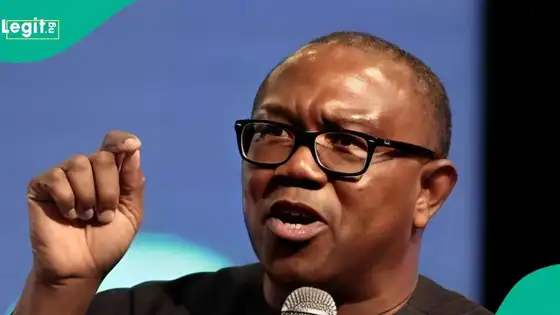
According to the electoral body, voters across all local government areas and polling units will take part, with digital options available to make participation easier.
INEC registers NDC, DLA ahead of 2027
Previously, Legit.ng reported that the Independent National Electoral Commission (INEC) officially registered the Nigeria Democratic Congress (NDC) and the Democratic Leadership Alliance (DLA) ahead of the 2027 elections.
INEC chairman Joash Amupitan, who confirmed the registrations followed a rigorous assessment, noted that only two of eight qualifying associations met all legal requirements for final verification under the constitution and Electoral Act.
The NDC’s registration was finalised following a court order, while the DLA met compliance criteria independently, marking the entry of two new parties into Nigeria’s political landscape ahead of the nationwide elections.
Read more on INEC below
- 2027 Elections: Full List of Electoral Offences and What Nigerians Can Be Fined or Jailed For
- INEC Sounds Alarm Ahead of 2027 Election
- INEC Announces What Nigerians Should Expect in 2027 Elections: "We Can't Guarantee Perfection"
- Obidients Declare Nationwide Protest Over INEC Decisions Ahead of 2027 Election
- 2027 Elections: Timi Frank Warns APC, INEC Over ADC Leaders' Derecognition
- ADC Leaders Ask INEC Chairman Joash Amupitan to Step Down
- ADC Breaks Silence After INEC Withdraws Its Recognition, “They’re Under Pressure”
- Nafiu Bala Gombe: 5 Things to Know About the Politician Behind INEC’s Deletion of ADC Leadership


Source: Facebook
INEC recognises new PDP leadership
Earlier, Legit.ng reported that INEC has updated its website to recognise a new leadership structure within the Peoples Democratic Party (PDP), siding with the faction backed by Minister Nyesom Wike.
Abdulrahman Mohammed is now officially listed as PDP National Chairman, alongside other members of the National Working Committee elected at the party’s March 29 convention in Abuja, ending a key chapter in the party’s leadership disputes.
The recognition strengthens Wike’s faction, positioning it to influence PDP’s political and legal engagements ahead of upcoming elections.
Falana says only billionaires can run for president
In another report, Legit.ng reported that Senior Advocate of Nigeria (SAN) Femi Falana criticised the Electoral Act 2026, claiming it bars most professionals from contesting for the presidency due to the high financial requirements.
Falana explained that the law effectively excludes professors, lawyers, workers, and ordinary Nigerians, arguing it was crafted by ruling elites to protect their interests rather than enable democratic participation.
Source: Legit.ng

